
Semi Truck DPF & DEF Diagnostics Near Charlotte
- DPF and regeneration diagnosis for repeated regen requests, high soot load, warning lights and derate conditions
- DEF and SCR testing for dosing, quality, level, heater, sensor and NOx-related faults
- Lawful repair only—we repair emissions systems; we do not perform deletes, tampering or emissions defeat
How We Diagnose Semi Truck DPF and DEF Problems
A DPF or DEF warning does not identify the failed part by itself. Similar symptoms can come from excess soot production, incomplete regeneration, exhaust leaks, temperature or differential-pressure sensors, wiring and connector faults, DEF quality or delivery problems, dosing components, NOx sensors, SCR efficiency faults, or an underlying engine condition.
Our semi truck DPF repair process begins with the driver complaint and operating history. Technicians review available fault information and live data, inspect relevant wiring and connectors, check sensor plausibility, evaluate regeneration and soot-load information, and perform targeted aftertreatment tests appropriate to the truck and fault.
Five diagnostic checkpoints guide the next step:
- Driver complaint, warning history, and operating conditions
- Active and inactive fault information plus live data
- Sensor plausibility, wiring, connectors, and exhaust integrity
- Regeneration history, soot-load information, DEF delivery, and dosing
- Engine-side causes and the evidence supporting repair, cleaning, or replacement evaluation
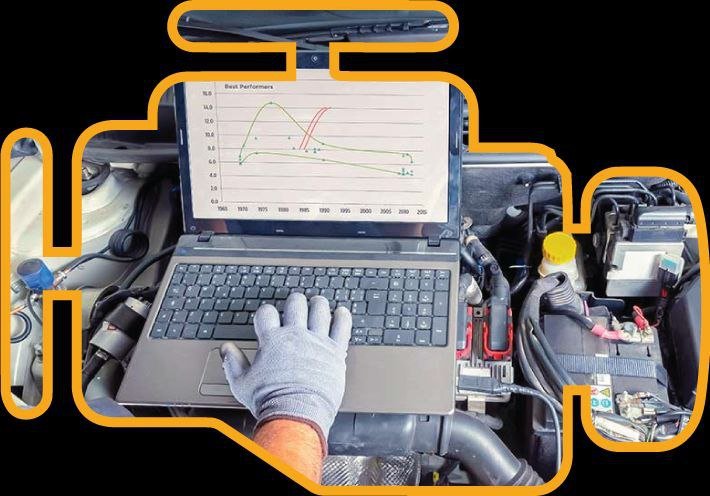
Confirmed findings determine whether the next step is a service regeneration, cleaning or replacement evaluation, sensor or wiring repair, DEF delivery or heater repair, dosing-system work, SCR diagnosis, or correction of an engine-side cause. We explain the evidence and estimate before approved work begins. A forced regeneration is not automatically the correct fix and is performed only when diagnostic conditions support it.
For federal compliance context, review the EPA diesel engine compliance and enforcement guidance. Truck Pit Stop performs lawful diagnosis and repair; we do not advertise emissions deletes, tampering, or defeat-device work.
Remote and mobile support: Fault-code and symptom review can help determine the next practical step but cannot confirm every aftertreatment failure remotely. Mobile diagnostic service is available Monday through Friday, 9 a.m.–7 p.m., within approximately 50 miles of the Matthews shop, subject to technician availability and shop workload. Mobile service is $350 per call plus $160 per labor hour, with no minimum. Repairs requiring shop equipment or deeper inspection must be completed at the shop; towing can be arranged through an independent third-party provider.
Parts and warranty: Warranty coverage applies to parts supplied and installed by Truck Pit Stop. Customer-provided parts are not covered for parts or labor. When Truck Pit Stop sources and installs an OE dealer part and the dealer accepts a later warranty claim, the dealer covers the replacement part and Truck Pit Stop covers the related labor.
Semi Truck DPF Repair and DEF Diagnostics

Semi Truck DPF Repair FAQs
Repeated regeneration requests, a DPF or check-engine warning, rising soot-load readings, reduced power or derate, failed regeneration, unusual exhaust behavior, or recurring aftertreatment fault codes should be diagnosed. The code is a starting point, not proof that the filter itself must be replaced.
No. A fault code and warning light identify a system or test path, not automatically a failed filter. Diagnosis should consider soot load, regeneration history, sensor plausibility, wiring, exhaust leaks, DEF and SCR faults, and engine-side causes before parts are recommended.
A service regeneration may be appropriate only after diagnostic checks show that operating conditions and the aftertreatment system can support it. Repeatedly forcing a regeneration without addressing the cause can waste time and may not correct the fault.
Yes. Depending on the complaint, testing may cover DEF quality and delivery, heaters, level and temperature sensing, dosing, NOx sensor data, SCR efficiency faults, wiring, connectors, and control communication.
Remote review and mobile testing can help identify the next practical step, subject to technician availability. Some faults can be clarified roadside, but cleaning evaluation, component access, controlled testing, or deeper repair may require the Matthews shop.
No. Truck Pit Stop diagnoses, services, and repairs emissions systems. We do not advertise or perform emissions deletes, tampering, or defeat-device work. Recommendations are based on lawful repair and the confirmed condition of the system.
Related Truck Repair Services
Semi Truck DPF Repair Resources