Semi Truck Alignment in Charlotte
How We Handle Semi Truck Alignment
Semi truck alignment should begin with diagnosis, not an adjustment made around worn parts. Pulling, wandering, an off-center steering wheel, steering correction, vibration, or irregular steer-tire wear can come from alignment geometry, but similar symptoms may also involve tire pressure or construction, wheel bearings, tie rods, drag links, kingpins, suspension wear, ride height, brake drag, axle position, or road crown.
At Truck Pit Stop, the process starts with the driver’s complaint and tire-wear pattern. Technicians inspect relevant steering, suspension, wheel-end, and tire components before relying on alignment measurements. If looseness or damage would prevent a dependable result, we document the finding and explain the repair options before proceeding.
What the alignment process can include
- Reviewing pulling, wandering, steering-wheel position, vibration, and tire-wear symptoms.
- Checking steer-tire condition and pressure plus visible wheel and rim concerns.
- Inspecting applicable tie rods, drag links, steering joints, wheel bearings, kingpins, suspension components, and ride-height conditions.
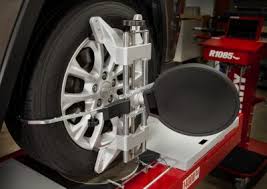
- Evaluating axle and wheel geometry with commercial-truck alignment equipment.
- Correcting adjustable alignment angles and thrust conditions within the vehicle’s service specifications where applicable.
- Verifying the completed work against the original complaint, including a road test when appropriate and conditions allow.
A recent shop case shows why this sequence matters. A 2020 Volvo VNR arrived pulling side to side. Diagnosis identified front wheel bearings, tie rods, drag links, and worn steer tires that needed attention before final alignment. After the approved repairs, two new steer tires, and alignment, the truck was road tested and the pulling was no longer present.
Related wear or handling findings may also require semi truck tire service, suspension repair, or brake inspection and repair. Truck Pit Stop explains the diagnostic result, recommended work, estimate, and expected timing before repairs begin.
Truck Pit Stop performs semi truck alignment at 416 Seaboard Dr in Matthews for trucks operating throughout the Charlotte area. Shop hours are Monday through Friday, 9 a.m. to 6 p.m. Call (704) 219-3199 or request an appointment. For federal maintenance responsibilities applicable to motor carriers, review the FMCSA Part 396 maintenance guidance.
How to Get Started With Us
Testimonials
Transparent Shop Pricing
| What to expect | Typical timing or rate | What is included |
|---|---|---|
| Standard in-shop labor | $100 per billed labor hour | Diagnostics, parts, shop supplies, taxes, mobile or after-hours work, and specialty repairs are quoted separately. |
| Typical repair turnaround | 24–48 hours when possible | Timing depends on diagnosis, required parts, and current shop capacity. |
| Estimate and approval | Before repairs begin | The team explains the diagnosis, recommended repair, estimate, and expected completion time before work is approved. |
Case Studies

Our Team
Questions Drivers Ask About Semi Truck Alignment
Semi truck alignment measures and adjusts applicable axle and wheel geometry against the vehicle specifications. A dependable service also checks for worn steering, suspension, wheel-end, and tire components that can cause the same symptoms or invalidate the measurements.
There is no single mileage interval that fits every truck and duty cycle. Schedule an inspection when the truck pulls or wanders, the steering wheel is off-center, steer tires wear irregularly, or after relevant steering, suspension, tire, wheel-end, or impact repairs.
Common signs include pulling, wandering, frequent steering correction, an off-center steering wheel, and uneven or rapid steer-tire wear. Because tires, bearings, brakes, steering, and suspension can produce similar symptoms, the cause should be inspected before adjustment.
Incorrect geometry can increase tire scrub and irregular wear. It may also add rolling resistance, but fuel consumption has many causes, so an alignment alone should not be treated as a guaranteed fuel-saving repair.
Timing depends on the inspection findings and whether worn steering, suspension, wheel-end, or tire components must be repaired first. Truck Pit Stop provides an expected timeline after diagnosis
Yes. Commercial-truck alignment requires equipment that can measure the applicable axle and wheel geometry, plus a technician who can interpret those measurements alongside steering, suspension, tire, and wheel-end condition.
Related Truck Repair Services